Table of Contents
- 1. Introduction: The Grid Connection Challenge
- 2. Understanding the Interconnection Queue Crisis
- 3. Technical Hurdles in Battery Interconnection
- 4. Innovative Solutions to Streamline the Process
- 5. The Role of Advanced Modeling and Simulation
- 6. Regulatory Reforms and Policy Initiatives
- 7. Case Studies: Success Stories and Lessons Learned
- 8. Future Outlook: Preparing for the Next Wave of Storage
- 9. Conclusion: Building a More Resilient Connection Framework
1. Introduction: The Grid Connection Challenge
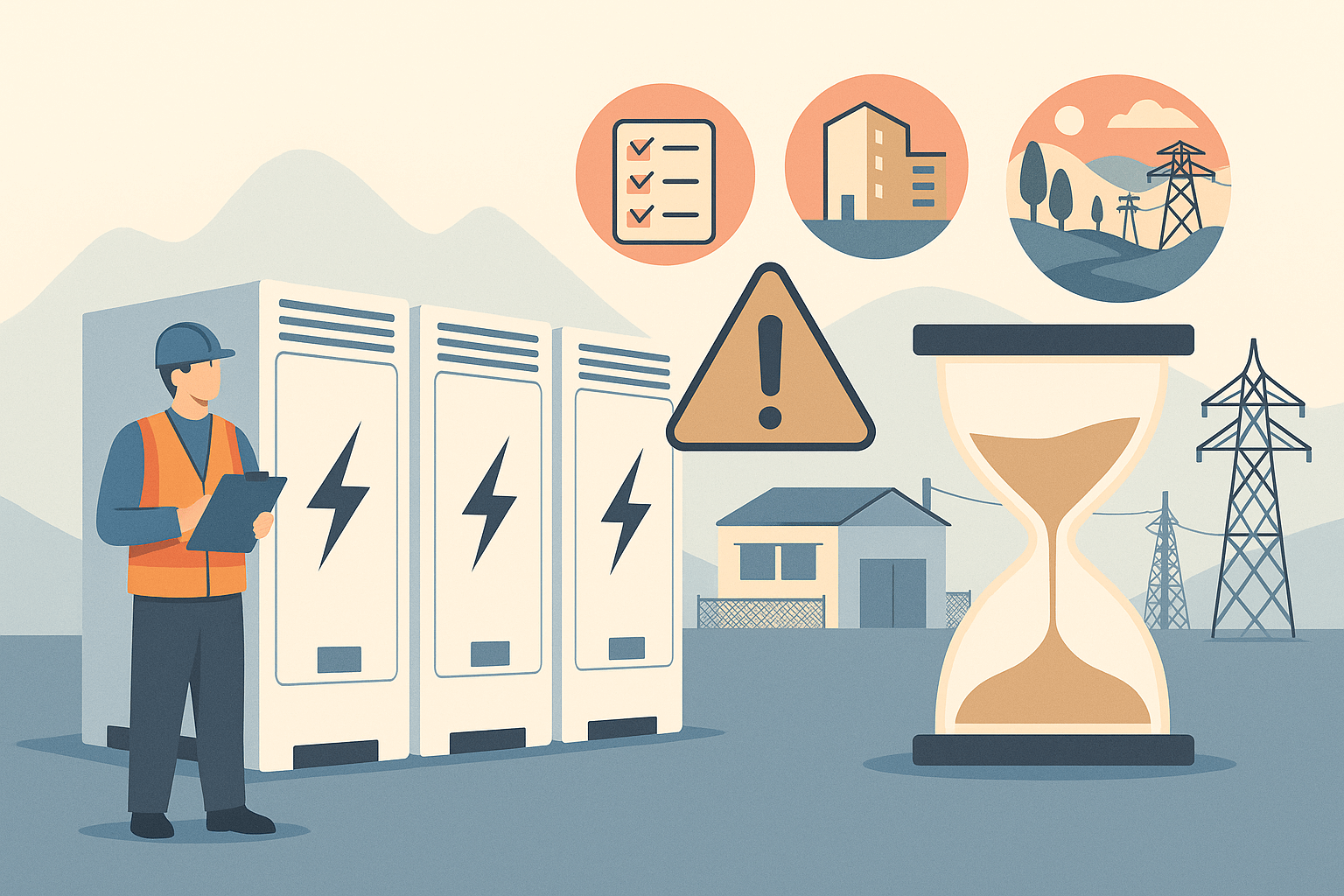
The transition to renewable energy has accelerated at an unprecedented pace, with utility-scale battery energy storage systems (BESS) emerging as critical infrastructure for grid stability and reliability. However, the path to deploying these massive projects is increasingly obstructed by a formidable barrier: interconnection bottlenecks. Across the United States and other developed energy markets, project developers are facing wait times of three to five years just to connect their batteries to the grid, creating a significant drag on the clean energy transition.
Interconnection—the process of connecting a new energy resource to the transmission or distribution system—has become the critical path for energy storage deployment. The sheer volume of projects seeking connection has overwhelmed system operators, with nearly 2,000 GW of generation and storage capacity currently languishing in interconnection queues nationwide. This backlog represents approximately twice the current capacity of the entire U.S. power grid, highlighting the monumental scale of the challenge.
The implications of these delays are profound. Projects that could enhance grid reliability, integrate renewable energy, and reduce electricity costs are stuck in bureaucratic and technical limbo. Some developers report spending millions of dollars on studies and upgrades before even knowing if their project will ultimately be approved.
2. Understanding the Interconnection Queue Crisis
The interconnection process begins when a developer submits an application to the relevant grid operator, typically including technical specifications, proposed connection point, and commercial operation date. The system operator then conducts a series of studies to assess the project’s impact on grid reliability and identify necessary upgrades. This seemingly straightforward process has become overwhelmed by several converging factors.
First, the explosion of renewable energy projects has dramatically increased the number of interconnection requests. In 2022, the volume of projects in interconnection queues grew by 40% compared to the previous year, with solar, wind, and battery storage accounting for over 90% of this capacity. This surge reflects both policy support for clean energy and improving economics of renewable technologies.
Second, the complexity of studying multiple projects simultaneously has strained the resources of grid operators. Each new project can affect the power flows and stability of the system, potentially impacting the studies of other projects in the queue. This interdependence means that the withdrawal or modification of one project can trigger restudies for dozens of others, creating a constantly shifting landscape that delays the entire process.
3. Technical Hurdles in Battery Interconnection
Battery storage projects present unique technical challenges that differentiate them from conventional generation resources. Unlike thermal power plants that provide consistent, predictable output, batteries can switch between charging and discharging modes rapidly, creating complex modeling requirements for system planners.
The inverter-based nature of battery systems introduces stability considerations that differ from traditional synchronous generators. System operators must ensure that high penetrations of inverter-based resources don’t compromise grid stability, particularly in terms of voltage support, frequency response, and fault current contribution. These concerns often trigger additional study requirements that can prolong the interconnection process.
Another significant challenge is determining appropriate interconnection standards for hybrid resources that combine generation with storage. When solar or wind projects co-locate with batteries, they create a single interconnection point with multiple operational modes that must be studied comprehensively. The lack of standardized approaches for these hybrid projects often results in customized study requirements that extend timelines and increase costs.
4. Innovative Solutions to Streamline the Process
Addressing interconnection bottlenecks requires innovative approaches that increase efficiency without compromising grid reliability. One promising solution is the implementation of “cluster studies” that evaluate multiple projects in a geographic area simultaneously rather than sequentially. This approach allows system operators to identify broader transmission needs and allocate costs more efficiently among developers.
Several grid operators, including PJM and CAISO, have transitioned to cluster study approaches with promising results. PJM’s restructured process, implemented after a temporary queue freeze, has reduced study timelines from years to months for many projects. While not a panacea, these batch approaches help address the interdependence between projects and create more predictable outcomes for developers.
Another innovation is the development of standardized equipment and pre-certified system configurations. By establishing technical standards for common battery system designs, developers can reduce the need for customized studies and accelerate the approval process. The IEEE and other standards bodies are working to develop uniform technical requirements that could streamline interconnection reviews across different regions.
5. The Role of Advanced Modeling and Simulation
Sophisticated modeling techniques are essential for accurately assessing the impact of battery storage on the grid. Unlike conventional generators, batteries have unique characteristics that require specialized simulation approaches, including their ability to rapidly change operating modes and provide ancillary services.
Time-series analysis has become particularly important for evaluating storage interconnections. Instead of analyzing worst-case scenarios at single points in time, system planners now model how batteries will operate throughout the day and across seasons. This more nuanced approach provides a better understanding of actual grid impacts and can reduce unnecessary upgrade requirements.
Hosting capacity analyses are another valuable tool for streamlining interconnections. By mapping how much additional capacity different parts of the grid can accommodate without significant upgrades, these studies help developers identify optimal locations for new projects. Several utilities now publish hosting capacity maps that provide transparency about where interconnection is likely to be easier and less expensive.
6. Regulatory Reforms and Policy Initiatives
Regulatory changes are essential to addressing interconnection bottlenecks at a systemic level. The Federal Energy Regulatory Commission (FERC) has taken significant steps to reform interconnection processes through Order No. 2023, which establishes stricter deadlines, financial commitments, and study reforms for transmission providers.
FERC’s new rules require transmission providers to implement a “first-ready, first-served” cluster study process that prioritizes projects with the greatest likelihood of completion. The order also establishes stricter readiness requirements, including financial deposits, to discourage speculative projects from clogging the queues. These changes aim to create a more efficient process that focuses resources on viable projects.
At the state level, policymakers are experimenting with various approaches to accelerate interconnections. Some states have implemented expedited processes for smaller storage projects or those located in areas with known capacity. Others have established dedicated funding for interconnection upgrades or created technical assistance programs to help developers navigate the process.
7. Case Studies: Success Stories and Lessons Learned
Despite the challenges, several projects have successfully navigated the interconnection process and provide valuable lessons for other developers. The Slate Project in California, which combines solar with massive battery storage, successfully interconnected by working closely with grid operators early in the development process to address potential concerns proactively.
Another success story comes from Texas, where the ERCOT market’s relatively streamlined interconnection process has enabled rapid storage deployment. While not without challenges, ERCOT’s energy-only market design and interconnection approach have allowed batteries to come online quickly, providing critical grid services during extreme weather events.
In Australia, the Hornsdale Power Reserve (often called the “Tesla big battery”) demonstrated how strategic siting near existing infrastructure can simplify interconnection. By connecting at a substation adjacent to a wind farm, the project minimized upgrade requirements and accelerated its commissioning timeline.
8. Future Outlook: Preparing for the Next Wave of Storage
Looking ahead, interconnection challenges are likely to evolve rather than disappear entirely. The next wave of storage development will include larger projects, longer durations, and more hybrid configurations, presenting new technical and procedural challenges for system operators.
Grid-enhancing technologies (GETs) show promise for increasing interconnection capacity without building new transmission lines. Dynamic line rating, power flow control devices, and advanced topology optimization can unlock hidden capacity in existing infrastructure, potentially reducing upgrade requirements for storage projects.
The standardization of interconnection requirements across different regions would also help streamline the process. While some regional differences will always exist due to varying grid characteristics, greater harmonization of technical standards, study approaches, and timelines would reduce development uncertainty and costs.
9. Conclusion: Building a More Resilient Connection Framework
Overcoming interconnection bottlenecks for large battery projects requires a multi-faceted approach that addresses technical, procedural, and regulatory challenges simultaneously. While no single solution will completely eliminate delays, the combination of process reforms, technological innovations, and strategic planning can significantly accelerate the connection of storage resources to the grid.
The importance of solving this challenge cannot be overstated. Energy storage is essential for integrating renewable resources, enhancing grid resilience, and achieving climate goals. By addressing interconnection constraints, we can unlock the full potential of battery storage and build a more reliable, affordable, and sustainable energy system for the future.